8 Pantry Organization Tips (To Keep Your Pantry Organized For Good!)
Keeping an organized pantry is essential if you want meal-prep (or the morning school rush) to run smoothly. These top 8 pantry organization tips will not only help your pantry become ultra functional, but will leave your pantry looking beautiful too!
Following these pantry organization tips will also set the stage for keeping your pantry organized FOR GOOD, not just a temporary fix. (A win-win!)
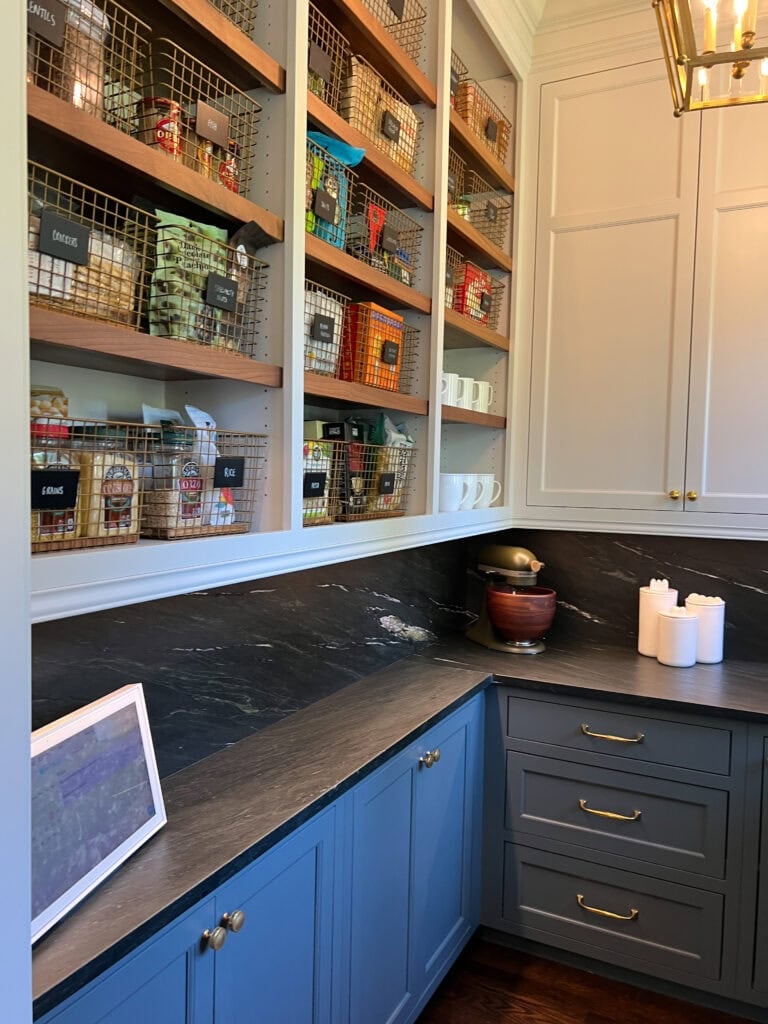
Pantry Organization 101
Imagine opening your pantry doors to a perfectly organized space where every ingredient is easy to find and meal-prep is smooth sailing (rather than a frantic scavenger hunt for that missing spice jar of cumin).
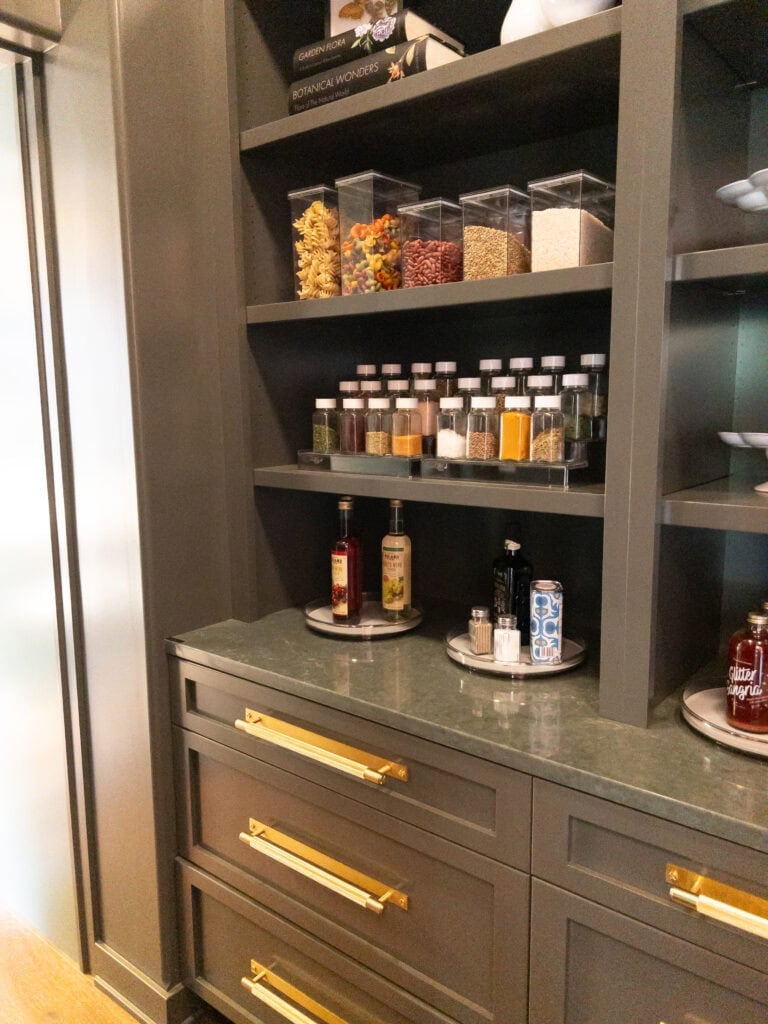
While often overlooked (and often guilty of becoming a messy “food storage unit”), maintaining an organized pantry offers so many benefits that reach far beyond looking pretty. From saving time and money, to reducing food waste to streamlining meal preparation, a well-ordered pantry is the key to creating a more efficient, enjoyable, and stress-free kitchen environment.
I, too, have fallen guilty to the trap of kid snacks shoved in a cabinet above the fridge, without order, and let me tell you it doesn’t do you any favors! Like most things in life, you feel better when you’re a bit ahead vs falling far behind, and not knowing what spices are running low, or how many cups of jasmine rice you have left does not need to be looming over your head each time you’re about to prepare lunch or dinner.
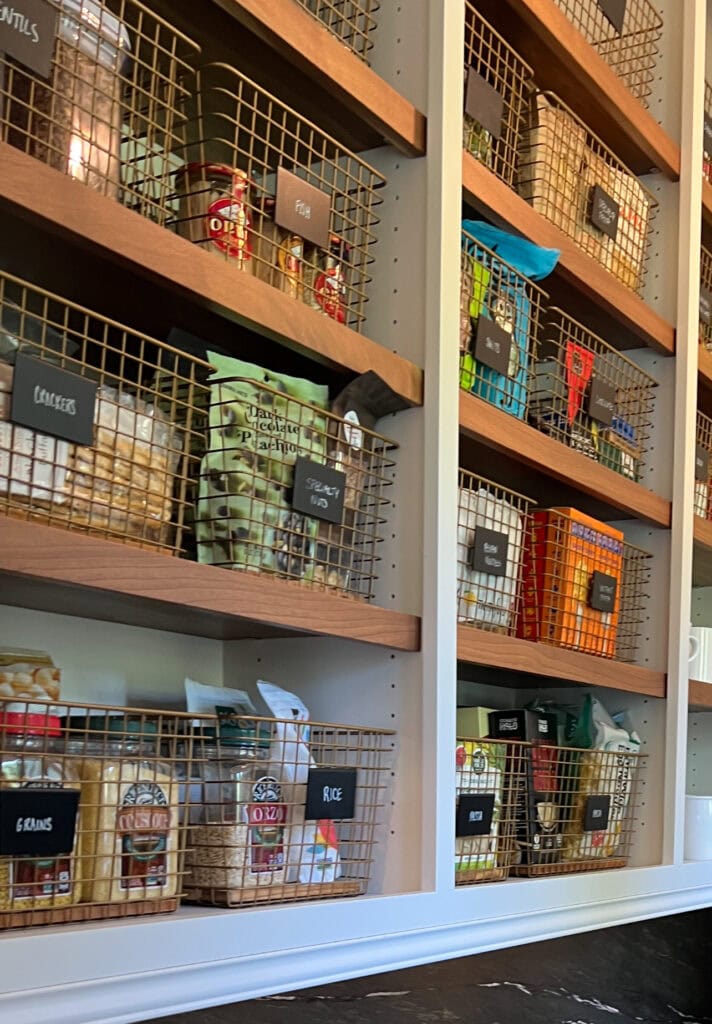
If you have kids, organizing the pantry goes one step further to really make sure all snacks and water bottles are organized and ready to go!
By following these pantry organization tips below, you’ll be one step closer to achieving that organized pantry of your dreams (even if you don’t have that massive butler’s pantry quite yet!).
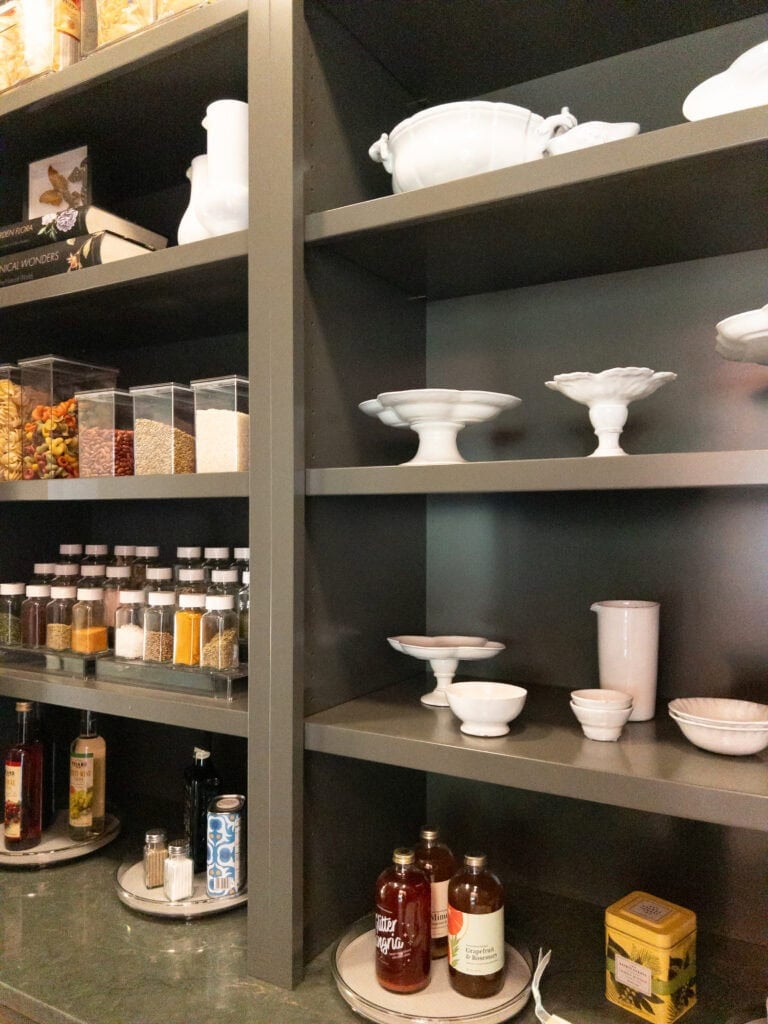
Top Pantry Organization Tips
Here are the top 8 organization tips for organizing your pantry (for good!):
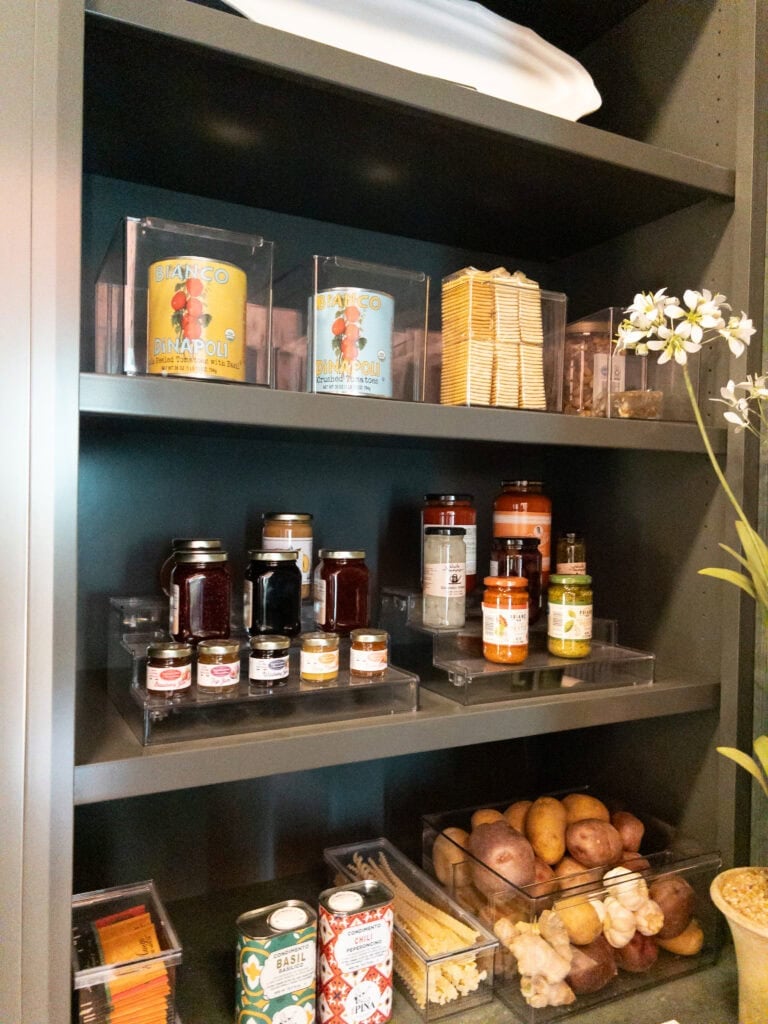
- 1) Declutter: Before you buy any containers or labels, take everything out of your pantry. Check expiration dates and throw out expired or stale items. Make a pile to donate unopened, non-expired items you know you won’t use. Be ruthless- don’t just hang onto that cheap can of butternut squash soup if you really don’t even enjoy butternut squash soup. Let it go. This is crucial for understanding what you truly need to organize vs what is just “taking up space”.
- Remove Expired Goods: Check every package carefully for expiration dates and toss anything beyond its prime to ensure food-safety and fresh ingredients. *Be sure to check items like potatoes and onions often to check for signs of spoiling.
- Create “Keep, Donate, Discard” Piles: Decide what you will keep based on how often you use certain items, identify pantry goods suitable for donation, and discard anything unusable/expired. (*We try to do this every year around Thanksgiving when our kids schools have food donation drives).
- Empty The Shelves: Before organizing, clear every shelf thoroughly to give this project a clean slate! Wipe down surfaces and make sure shelves are in good condition. It’s always important to start any organization project in a clean space.
- Assess Pantry Space Layout: Evaluate the dimensions and shelf configurations to plan for the best storage solutions specific to your pantry’s unique layout. Not all pantry spaces are the same- some are extremely tiny while others are massive. Measurements help prevent impulse buying of containers or accessories that might not fit well in your specific space. And it’s so much easier to categorize and organize pantry items if you know exactly the space you’re working with.
- 2) Categorize Everything: Group similar items together. By grouping items like baking supplies, canned goods, snacks, grains, and spices into distinct piles this helps you understand your pantry inventory clearly. Categorizing pantry items simplifies finding them during meal-prep and also makes organizing your shopping lists much easier (and prevents unnecessary repurchases!).
- Common pantry categories include:
- Baking supplies (flour, sugar, chocolate chips, baking powder, baking soda)
- Snacks (granola bars, pretzels, apple sauce pouches)
- Pasta & Grains (rice, quinoa, lentils, pastas)
- Canned Goods (vegetables, soups, beans, canned coconut milk)
- Breakfast items (cereal, oatmeal, pancake mixes)
- Spices & Seasonings
- Oils & Vinegars
- Sauces & Condiments
- 3) Utilize Vertical Space with Shelving and Risers: Pantries often have tall shelves, and you can maximize this space by adding extra shelves if possible, or using shelf risers and stackable bins to create multiple levels within one shelf. This prevents items from getting lost behind taller ones, and really uses every inch of space without feeling cluttered. (Risers have been a game-changer for our kitchen cabinet organization too!)
- 4) Use Clear, Airtight Containers: Transfer dry goods like pasta, rice, lentils, flour, sugar, cereals, and snacks into clear, airtight containers. This protects food from moisture and pests, keeps it fresh longer, and allows you to see at a glance what you have and how much. Clear containers also help create a clean, cohesive look. Choosing durable materials like BPA-free plastic or glass ensures long-lasting functionality and keeps food fresh!
- Transparent Design: Containers made from clear materials like glass or BPA-free plastic allows you to easily identify contents without opening them. This visibility reduces the chances of duplicate purchases and hidden food spoilage, and helps you keep tabs on your pantry inventory. When combined with labeling, it’s a pantry organization dream!
- Similar Shapes and Sizes: Selecting containers with consistent shapes maximizes shelf space by enabling neat stacking and elimination of awkward gaps. Rectangular or square options are preferred over round to utilize every inch effectively, however, if space allows, using a lazy-susan / turntable (the round, spinning organization item), is fantastic for pantry organization too.
- Secure Airtight Seals: Silicone or rubber gaskets paired with locking lids protect food from the air and humidity, extending the shelf life of pantry staples. This barrier guards against common pantry pests such as weevils (so gross!) and prevents clumping in powders and grains.
- Easy-to-Clean Materials: Materials that are dishwasher-safe and are stain and odor resistant keep your pantry smelling fresh, looking great, and easy to maintain.
- Variety of Sizes: While certain sections of the pantry may benefit from having similar sized containers, having an assortment of container sizes accommodates everything from spices and seeds to large amounts of flour or cereals.
- 5) Use Bins and Baskets For Loose Items: For items that are harder to stack or are oddly shaped (for example: small snack bags, fruit pouches, produce like onions or potatoes), use bins or baskets. This keeps them contained and prevents them from scattering. (Label the bins and baskets clearly!)
- 6) “First In, First Out”: When restocking the pantry, always place newer items behind older ones. This ensures you use older products first, before they expire, minimizing waste.
- 7) Label Everything Clearly and Consistently: Once items are in containers or bins, label them! Use consistent labels (for example: handwritten, printed, or chalk labels). This makes it easy for everyone in the household to find what they need and, more importantly, put things back in the correct spot!
- 8) Zone Your Pantry: Assign specific “zones” for your categories. For example:
- Eye-level: Most frequently used items (snacks, breakfast).
- Lower shelves: Heavier items like sparkling waters, large jars, and cans.
- Upper shelves: Less frequently used items (seasonal baking supplies, extras).
- Door storage (if you have a pantry door): Spices, small condiments, small jars, kitchen towels, empty water bottles, etc.
Favorite Pantry Organization Finds

- Pop Medium Cookie Jar (Purchase HERE ; Amazon-HERE)
- White Wire Grid Bin (Purchase HERE; Similar Amazon Find HERE)
- Pop Baking Storage Bundle (Purchase HERE; Amazon- HERE)
- Large White Wire Stacking Bin (Purchase HERE; Similar Amazon Find HERE)
- Clear Divided Turntable (Purchase HERE; Similar Amazon Find HERE)
- 3 Tier Organizer With Drawer (Purchase HERE; Similar Amazon Find HERE)
- Large Water Hyacinth Basket (Purchase HERE; Similar Amazon Find HERE)
- Shelf Pantry Bin Organizers (Purchase HERE; Similar Amazon Find HERE)
- Water Hyacinth Organization Cube (Purchase HERE; Similar Amazon Find HERE)
By following these top pantry organization tips, your pantry will not only look organized (and pretty!) but will also function much more efficiently- saving you time, preventing duplicate purchases, and keeping a “system” that keeps your pantry organized for good!
You’ll Also Love:
Favorite Organization and Storage Finds
8 Summer Planter Ideas That Are Simply Stunning
The Best Amazon Light Fixtures (Splurges and Looks For Less)